[county_filter]
[tag_filter]
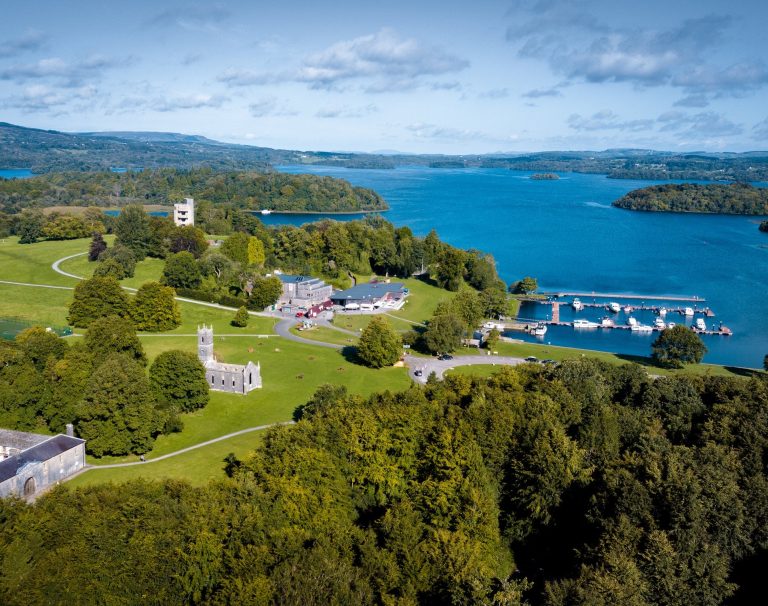
Lough Key Forest Park. Courtesy Discover Ireland
Sensory-friendly attractions in Ireland are becoming easier to find, with museums, zoos and cultural spaces introducing quiet hours, sensory maps and calm rooms. These changes make visits more predictable and manageable. This guide explores how autism-aware design is improving tourism, and where visitors can experience Ireland at a steadier, more comfortable pace.
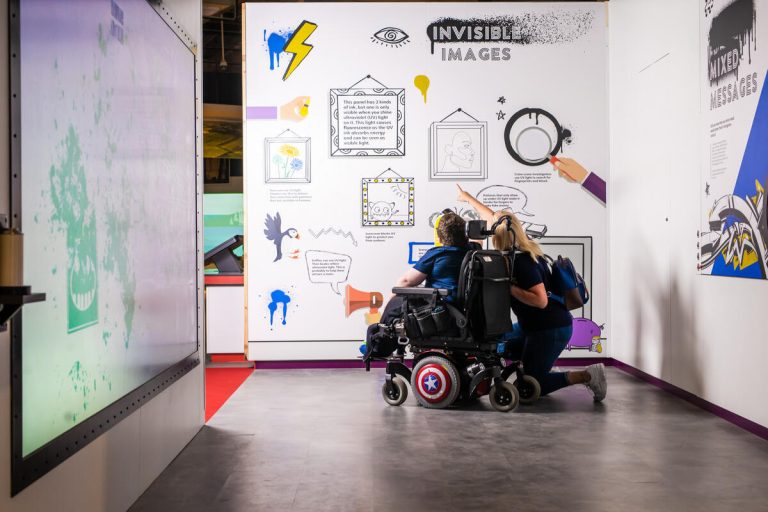
W5 Interactive Discovery Centre, Belfast, Co. Antrim, ©TheHypeFactory
Ireland has some excellent wheelchair accessible attractions, but the best ones combine proper visitor experience with clear, practical access information. From major museums to coastal landmarks and family days out, these six standout spots are among the strongest options for a more straightforward, enjoyable and better-planned accessible trip around the island.
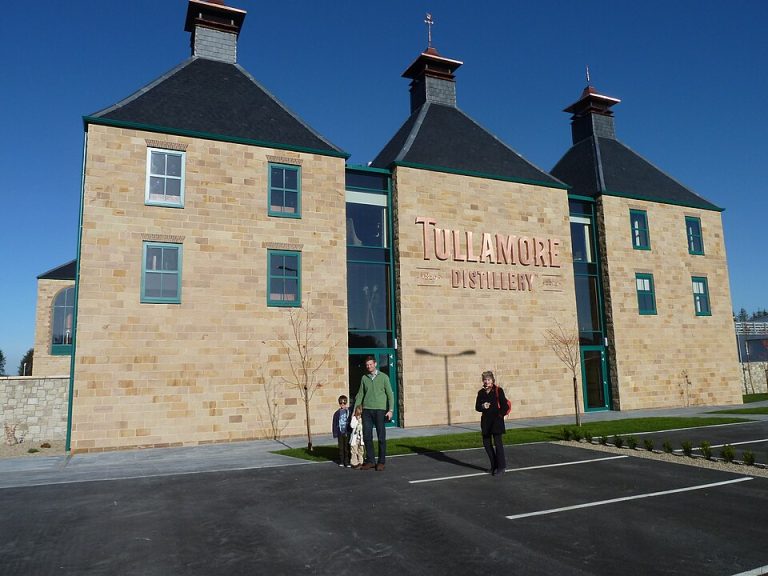
Tullamore Distillery, Iain A Macrae
Tullamore D.E.W. Distillery Experience is a guided whiskey visitor attraction just outside Tullamore town, built around a working distillery where visitors follow the process from grain to glass across the site. It suits an adult-focused visit more than a loose, roam-at-your-own-pace stop: booking is recommended, tours are guided, and the experience is designed around interpretation and tasting rather than free wandering. For accessibility-led planning, it is useful that the venue states plainly that it is a wheelchair accessible building.
Lough Boora Discovery Park, Co. Offaly
Lough Boora Discovery Park is a big, open landscape park on former cutaway boglands in County Offaly, with easy-to-follow walking and cycling routes, wildlife habitats, and outdoor sculpture along the trails. It’s a handy, low-pressure stop: you can do a short loop near the visitor centre, or spend half a day roaming further out. For accessibility-led planning, it stands out for family-friendly facilities and routes that suit different paces, including areas promoted as workable for buggies and wheelchair users (notably
Birr Castle, Co Offaly
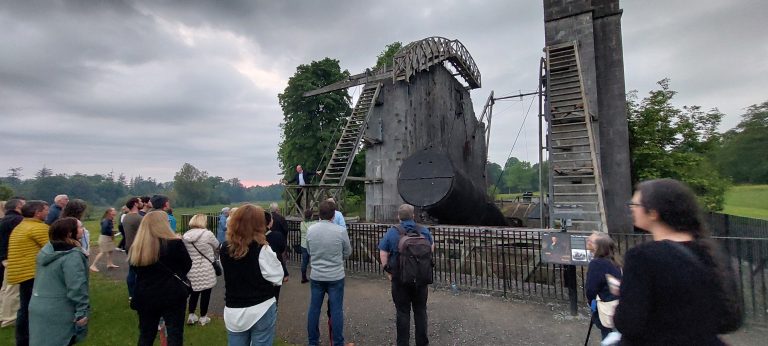
Set within extensive parklands in the heritage town of Birr, this attraction combines landscaped gardens, riverside walks and one of Ireland’s most significant scientific collections. The demesne is noted for accessible routes through the grounds, allowing visitors to enjoy formal gardens and tree-lined avenues without tackling steep terrain.
Boating in Ireland's Hidden Heartlands, cJonas Fellenstein
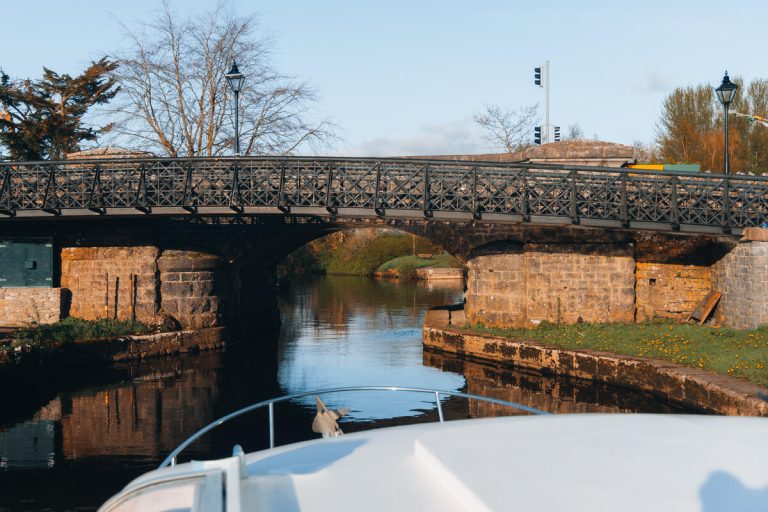
Purpose-built roll-on, roll-off boat with secure wheelchair spaces, offering fully inclusive scenic cruises on Lough Ree and the Shannon. Lough Ree is one of the premier angling venues in Ireland – renowned for its stocks of pike – many exceeding 9Kg (20lbs) in weight. The boat allows for up to 3 wheelchair users at the same time.
Lough Key Forest Park. Courtesy Discover Ireland
County Roscommon offers a strong mix of accessible tourism attractions, from heritage sites and visitor centres to lakeside experiences and scenic parks. Visitors can enjoy cultural and historical outings, including museums and interpretation centres, alongside outdoor options in Ireland’s Hidden Heartlands.
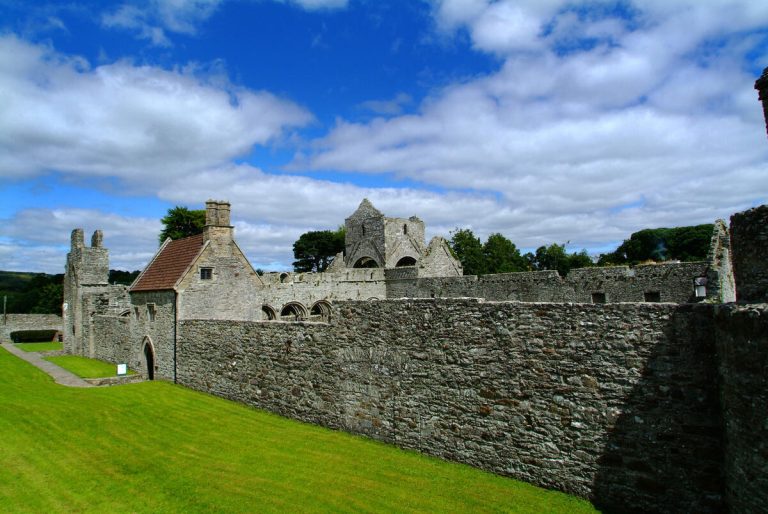
Boyle Abbey, Co Roscommon, Chris Hill Photographic
Boyle Abbey in Co. Roscommon is one of Ireland’s best-preserved Cistercian ruins, with soaring stonework, carved capitals and a restored gatehouse interpretive centre. It is a compact, high-impact heritage stop just off the N4, ideal for a short, atmospheric visit with plenty of history in the bones. Managed heritage site with interpretive centre access, though the abbey ruins include uneven surfaces and limited step-free circulation.
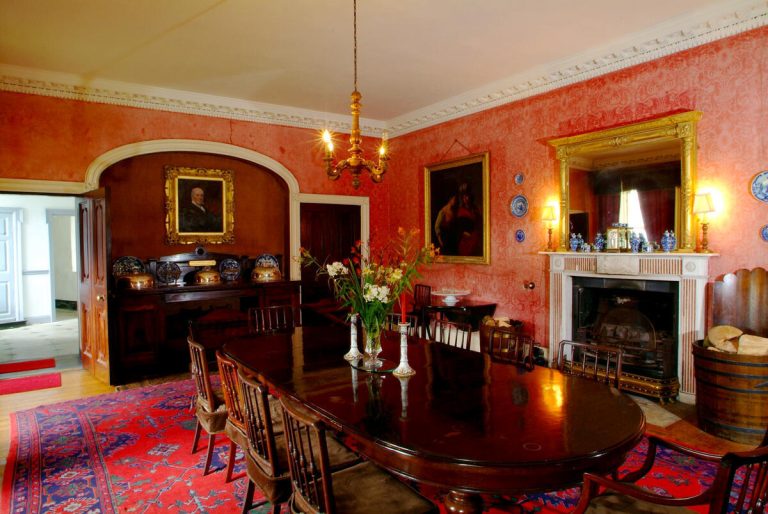
Strokestown Park House, Co. Roscommon, Chris Hill Photographic
Strokestown Park House in Co. Roscommon pairs a guided tour of an Irish country house with the National Famine Museum, Victorian walled gardens and woodland walks. It is a strong, story-led visit: upstairs-downstairs life in the house, and the Great Famine told through local records. Allow time outdoors too. Accessible visitor centre and museum spaces, with some constraints in the historic house due to period layout and stairs.
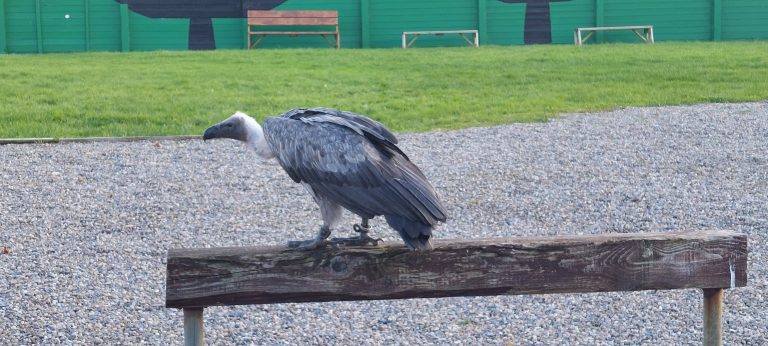
Birds of Prey, Co Clare
The Burren Birds of Prey Centre at Aillwee (near Ballyvaughan, Co. Clare) is all about raptors in flight — eagles, owls, hawks and vultures — with a proper live flying display and time to meet the birds in their aviaries. It’s outdoors, weather-dependent, and very engaging. Level access to main reception and flying displays, but outdoor pathways and grass surfaces can be uneven in places.
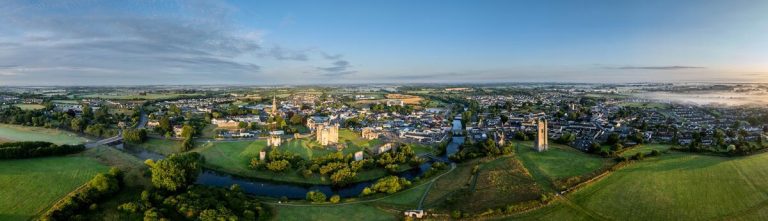
Trim Castle, Tourism Ireland by John Miskelly
Trim Castle in Co. Meath is Ireland’s largest Anglo-Norman fortress, set right beside the River Boyne. You can wander the grounds for free, or join a guided tour into the mighty keep for big views and bigger history. Expect steep stairs and plenty of medieval atmosphere. Visitor centre is accessible, but access inside the castle keep is restricted due to narrow stairs and historic fabric.
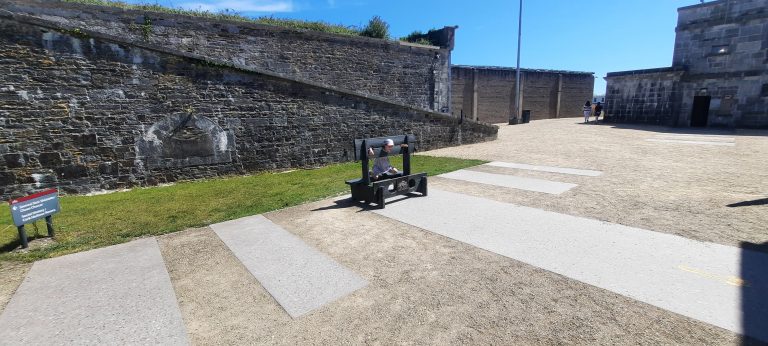
Spike Island, Co. Cork
Spike Island is one of Cork’s most memorable days out: a short boat trip to a compact island packed with big stories. The star is Fort Mitchel, where guided tours move from military defences to prison history and island life. Allow time to wander the ramparts, take in harbour views, and breathe. Ferry access and adapted transport available, though terrain includes slopes and uneven surfaces typical of a historic island fort.